தயாரிப்பு விவரங்கள்
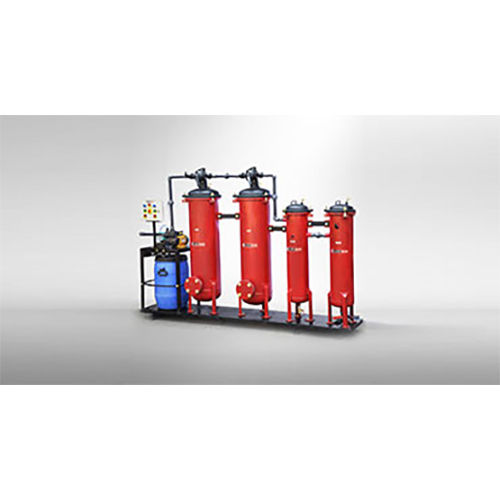
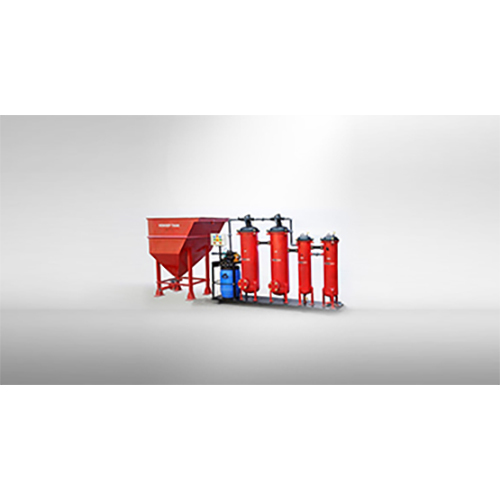
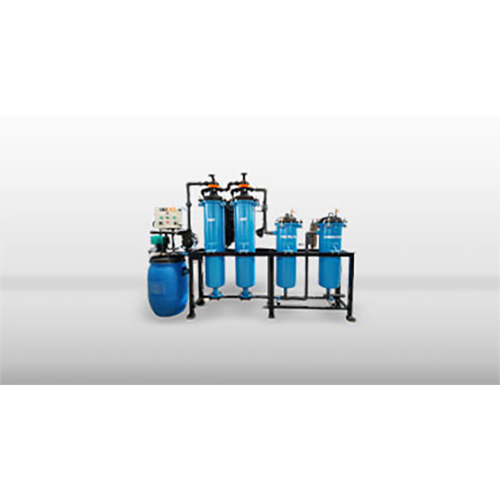
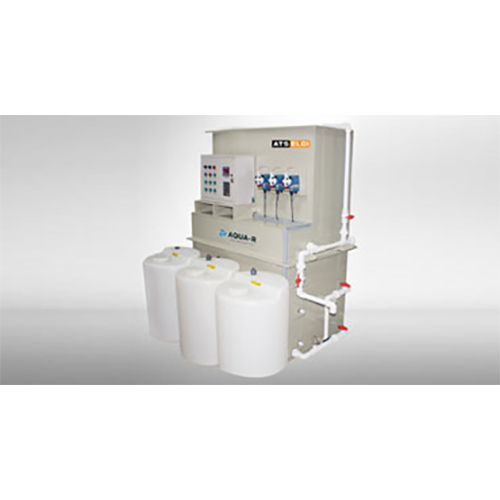
An ETP - PASSENGER CAR VEHICLE is used to treat wastewater resulting from the operations, maintenance, and service of commercial vehicles such as trucks, buses, and other heavy-duty vehicles. These pollutants may cause a detrimental effect on the environment unless treated properly before disposal or reuse. With contaminants such as oil, grease, fuel residues, heavy metals, and chemicals in the effluent, an ETP ensures that the wastewater is properly treated in order to comply with environmental regulations, protect public health, and reduce the environmental impact. ETP - COMMERCIAL VEHICLE is very important for the treatment of wastewater produced from washing, maintenance, and servicing activities.
Advanced Control and AutomationLeveraging PLC-based automatic control, the ETP ensures precise operation and monitoring. The electromagnetic flow meter provides accurate inlet flow measurement, and features like automatic sludge dewatering contribute to hands-free, reliable performance. Operators benefit from minimal manual intervention and rapid cold start (<30 minutes) for efficient daily operations.
High Purity and Environmental ComplianceThe treatment system is engineered to deliver water output with conductivity below 10 S/cm and a purity level up to 95%. Meeting CPCB and ISO 14001 requirements, it provides reliably clean water suitable for reuse or safe discharge, maintaining pH levels between 6.5 and 8.5. Its design ensures wastewater management aligns with environmental standards.
Customizable Capacity and Reliable PerformanceThe ETP offers flexible capacity ranging from 1 to 100 KLD, making it ideal for passenger car vehicle manufacturing and service industries. Its compact, corrosion-resistant mild steel or stainless steel construction ensures durability, while the multi-grade and activated carbon filters enhance treatment efficiency, achieving above 90% overall efficiency.
FAQ's of ETP - PASSENGER CAR VEHICLE:
Q: How does the PLC-based automatic control system enhance the ETP's operation?
A: The PLC-based automatic control system ensures precise and reliable operation by continuously monitoring key process variables and automating adjustments. This reduces human intervention, streamlines system management, and provides rapid response to changes in wastewater conditions, resulting in improved efficiency and consistent treatment quality.
Q: What is the process for sludge handling within this ETP?
A: Sludge handling is fully automated, with the system performing sludge dewatering using an advanced mechanism. This automation minimizes labor requirements, improves hygiene, and facilitates easy disposal or further processing of sludge, making maintenance simple and safe.
Q: When is service support available for installation and maintenance?
A: Service support for installation, maintenance, and troubleshooting is available PAN India. Expert technicians can assist during the setup phase, scheduled maintenance, and any urgent repairs, ensuring your plant continues to operate efficiently at all times.
Q: Where can this ETP be installed, and what design options are available?
A: This ETP can be installed in various locations including automobile manufacturing and maintenance facilities. It comes in containerized or skid-mounted options, with customizable capacities ranging from 1 KLD to 100 KLD to suit site requirements and production volumes.
Q: What technology does the system use for wastewater treatment and what are its benefits?
A: The ETP employs activated sludge process, MBR (Membrane Bioreactor), and SBR (Sequencing Batch Reactor) technologies. These ensure high treatment efficiency, effective contaminant removal, and robust water recycling capabilities, delivering up to 95% purity and a recycle rate of 90%, thus supporting sustainability and cost savings.
Q: How is the treated water quality ensured to meet environmental discharge standards?
A: The treated water consistently meets CPCB and ISO 14001 discharge standards. Using advanced filtration (multi-grade and activated carbon), stringent process controls, and real-time monitoring, the system produces output water with conductivity below 10 S/cm, suitable for reuse or environmentally safe discharge.
Q: What benefits does the ETP offer regarding maintenance and operational efficiency?
A: Designed for minimal maintenance, the ETP incorporates corrosion-resistant materials and automated controls. Quick start-up, low noise operation, and efficient power consumption (5-15 kW) further enhance operational reliability, reducing downtime and ensuring long-term value for automobile industry applications.